

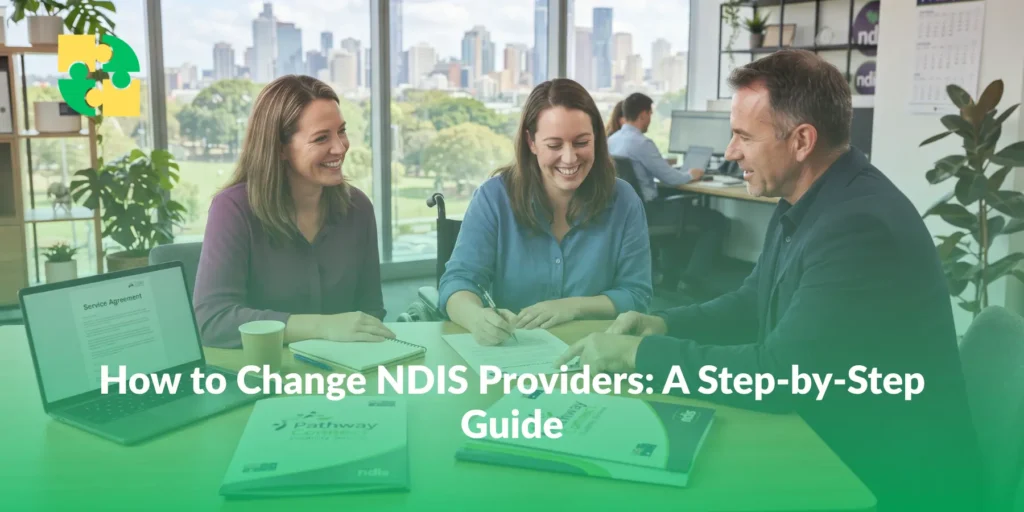
Yes, you can change your NDIS provider if your current provider is no longer meeting your needs. In most cases, the process is straightforward: check your current service agreement, find a new provider, give your existing provider the required notice, and update your provider details in the relevant NDIS portal.
You don’t have to stay with a provider simply because you’ve worked with them before. Your NDIS support should work for you, and finding a provider who understands your needs, preferences and goals can make a real difference.
The important thing is to make the change carefully so there is no unnecessary gap in your support.
Why Might You Want to Change Your NDIS Provider?
People change providers for many different reasons.
Perhaps the provider isn’t delivering the level of support you expected. Maybe communication has become difficult, appointments are frequently cancelled, the support no longer suits your circumstances, or you simply feel that another provider would be a better fit.
You don’t necessarily have to leave straight away. If you’re unhappy with your current service, you can first speak with your provider and explain what you would like to change.
However, if the problem continues or you don’t feel comfortable raising the issue directly, you can seek help from your support coordinator, my NDIS contact, plan manager or another trusted person. You can also contact the NDIS Quality and Safeguards Commission if you have concerns about a provider or worker.
If changing providers feels like the right decision, here’s how to approach it.
Step 1: Decide What You Want From Your New Provider
Before searching for a new provider, take a moment to think about what isn’t working with your current one.
Ask yourself:
- What do I like or dislike about my current support?
- What would I like my new provider to do differently?
- Do I need more flexible appointment times?
- Is location important to me?
- Do I prefer a particular communication style?
- Does the provider understand my individual needs and goals?
- Are there particular services or supports I need?
Having clear answers makes it easier to compare your options and find a provider who is actually suitable for you.
Step 2: Check Your Current Service Agreement
This is one of the most important steps before ending your current services.
Your service agreement should explain how you can end the arrangement and how much notice you need to provide. This may be called a notice period or cancellation period.
Check whether there are any conditions or fees associated with ending the agreement early. NDIS guidance notes that cancellation fees may apply in some circumstances when the agreed notice isn’t provided.
If you’re unsure about what your agreement means, don’t guess. Ask your provider, support coordinator or another trusted person to help you understand it.
Step 3: Find a New NDIS Provider
Ideally, look for your new provider before ending your existing service.
This helps reduce the risk of having a gap in your support.
You can find potential providers by:
- Using the NDIS Provider Finder
- Asking your support coordinator or recovery coach
- Speaking with people you trust
- Researching providers and reading reviews
- Contacting providers directly to ask questions
The NDIS recommends researching providers and meeting with potential providers before deciding who you want to work with.
Check Whether the Provider Needs to Be Registered
The type of provider you can choose can depend on how your NDIS funding is managed.
For example, participants with NDIA-managed funding generally need to use registered providers. Participants who self-manage or use plan-managed funding can usually choose between registered and unregistered providers for many supports, although some supports have specific registration requirements.
If you’re unsure which rules apply to your plan, check with your NDIS contact or plan manager.
Step 4: Talk to the New Provider
Once you’ve found a provider you’re interested in, arrange a conversation before committing.
This is your opportunity to make sure you’re both on the same page.
You may want to ask:
- What services do you provide?
- How often can you provide the support?
- Who will provide my support?
- What happens if I need to change an appointment?
- How much does the support cost?
- How are invoices and payments handled?
- What happens if I want to end the agreement later?
- How will you communicate with me?
A good provider should be willing to explain how the service works and answer your questions clearly.
Step 5: Create a New Service Agreement
Once you’ve chosen your new provider, it’s a good idea to have a written service agreement.
A service agreement sets out important details such as the support you’ll receive, how they will be delivered, costs, payment arrangements and how either side can make changes or end the agreement.
Take your time reading the agreement before signing it. If there’s something you don’t understand, ask for an explanation or get help from someone you trust.
Your new agreement should reflect what you’ve actually agreed with the provider — not simply what the provider normally offers other participants.
Step 6: Tell Your Current Provider You’re Leaving
After you’ve arranged your new support, contact your current provider and let them know you want to end the service.
Your provider may have a specific form or process for ending a service agreement, so ask what you need to do.
Make sure you follow the notice period in your existing agreement.
It’s also a good idea to check that any outstanding payments or invoices have been dealt with before the relationship ends. If you have a support coordinator or plan manager, let them know about the change as well.
You don’t need to make the conversation complicated. A simple, clear message explaining that you have decided to move to another provider is usually enough.
Step 7: Update Your NDIS Provider Details
Depending on your circumstances and the type of provider relationship involved, you may need to update your information in the my place participant portal or my NDIS participant portal.
The NDIS advises checking with your provider about whether they will end the relevant booking or provider relationship, or whether you need to do something yourself.
In the NDIS participant portal, you can manage provider relationships, including accepting or declining a new provider relationship request. You can also talk to your NDIS contact or call the NDIS on 1800 800 110 for help with adding, changing or removing providers.
What If You Don’t Like Your New Provider?
Changing providers isn’t a one-time decision that you’re stuck with forever.
If your new provider isn’t meeting your needs, you can raise your concerns with them and ask for changes. If the issue can’t be resolved, you can consider changing providers again.
The NDIS recognises that participants can change providers when their current arrangements aren’t working for them.
The goal isn’t simply to find a provider. It’s to find a provider who is a good fit for your needs.
How to Make the Change as Smooth as Possible
A little planning can make changing providers much easier.
Don’t end your current service too early
Try to have your new provider organised before your existing support ends. This can help prevent a gap in important services.
Keep your documents
Save copies of your current and new service agreements, invoices, emails and other important correspondence.
Be clear about your needs
The more clearly you explain what you need from your provider, the easier it is for them to understand how they can support you.
Ask questions before signing
If you’re unsure about pricing, cancellation rules, services or responsibilities, ask before signing the agreement.
Get help when you need it
You don’t have to manage the process alone. Your support coordinator, my NDIS contact, plan manager, family member or another trusted person may be able to help you understand your options.
Conclusion
Changing an NDIS provider doesn’t have to be stressful.
The key is to plan the change, check your service agreement, find a suitable replacement, give the correct notice and update your provider details where required.
Most importantly, remember that your provider should support your needs and goals. If your current arrangement isn’t working, it’s reasonable to explore other options.
Taking a little time to choose the right provider can help you feel more comfortable and confident about the support you’re receiving.
Frequently Asked Questions
1. Can I change my NDIS provider if I am unhappy with their service?
Yes. You can generally change providers if your current service is not meeting your needs. Before making the change, check your service agreement for any notice or cancellation requirements.
2. Do I need to find a new provider before leaving my current one?
It is recommended. Finding a new provider first can help ensure your support continues without an unnecessary gap.
3. How much notice do I need to give my current NDIS provider?
The notice period depends on your service agreement. Check the agreement or ask your provider about the requirements before ending the service.
4. Can my support coordinator help me change NDIS providers?
Yes. A support coordinator can help you identify suitable providers, compare your options and manage the transition to your new provider.
5. What should I look for when choosing a new NDIS provider?
Consider their experience, services, availability, communication, pricing, flexibility and whether they understand your individual needs and NDIS goals. It is also important to check whether they are registered if your plan requires you to use registered providers.