

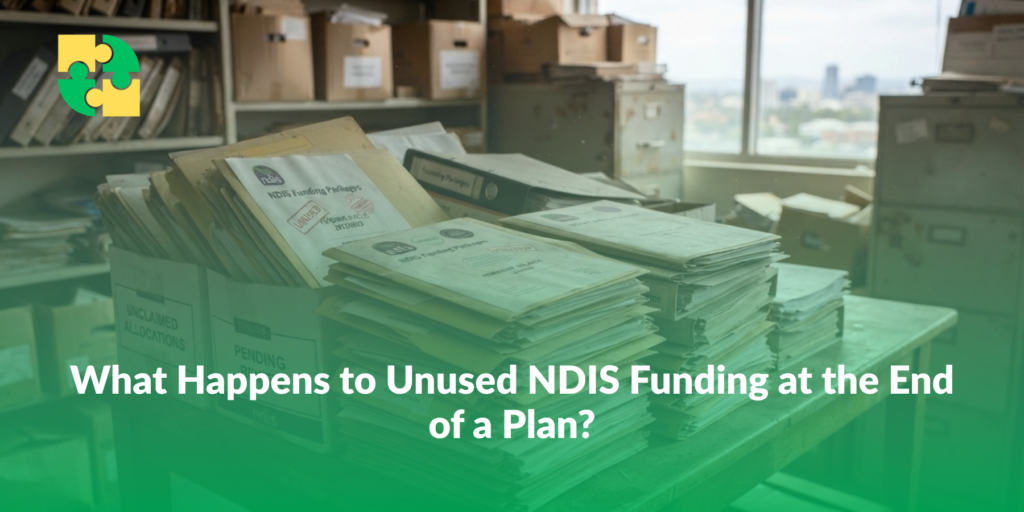
If you have funding left over at the end of your National Disability Insurance Scheme (NDIS) plan, you may wonder whether that money can be saved for future support. The answer depends on what happens to your current plan.
Under the NDIS funding rules, unused funding generally does not transfer into a brand-new plan. However, funding that remains at the end of one funding period may carry forward to the next period within the same plan. If the NDIA continues your existing plan instead of creating a new one, eligible unspent funding may also remain available.
Understanding these differences can help you manage your budget, arrange services on time and prepare for your next planning conversation.
Can Unused NDIS Funding Roll Over?
The key distinction is whether you are moving into another funding period, receiving a continued plan or starting a new plan.
1. Unused Funding Within the Same Plan
Many new NDIS plans include funding periods that control when different portions of your budget become available. These periods are usually three months long, although your individual plan may specify a different arrangement.
When you have money left at the end of a funding period, it can generally roll over into the next period within the same plan. This gives you some flexibility if your support needs vary from month to month.
For example, if you have $1,200 left at the end of one funding period, that amount may become available alongside your next period’s allocation, subject to your plan’s rules and available funding.
However, unused funding does not mean you can automatically access money allocated to future periods early. Specific rules apply if you and your provider want to claim support using funding from a later period.
2. Unused Funding When a New Plan Begins
A new plan generally comes with a new funding allocation based on your circumstances, support needs and the applicable NDIS rules.
Money left over from your previous plan does not ordinarily get added to the new plan. This means you should not assume that unused funding can be saved for a large purchase or service next year.
The important point is to check whether the NDIA is issuing a new plan or continuing your existing one, because these arrangements can have different consequences for unspent funds.
How to Find Your NDIS Plan End Date
Your NDIS plan has its own dates, so its end date may not match the calendar year or Australian financial year.
To find the relevant date:
- Review the dates shown in your current plan documents.
- Check your participant portal or the my NDIS app, where available.
- Contact my NDIS contact, support coordinator or plan manager if you are unsure.
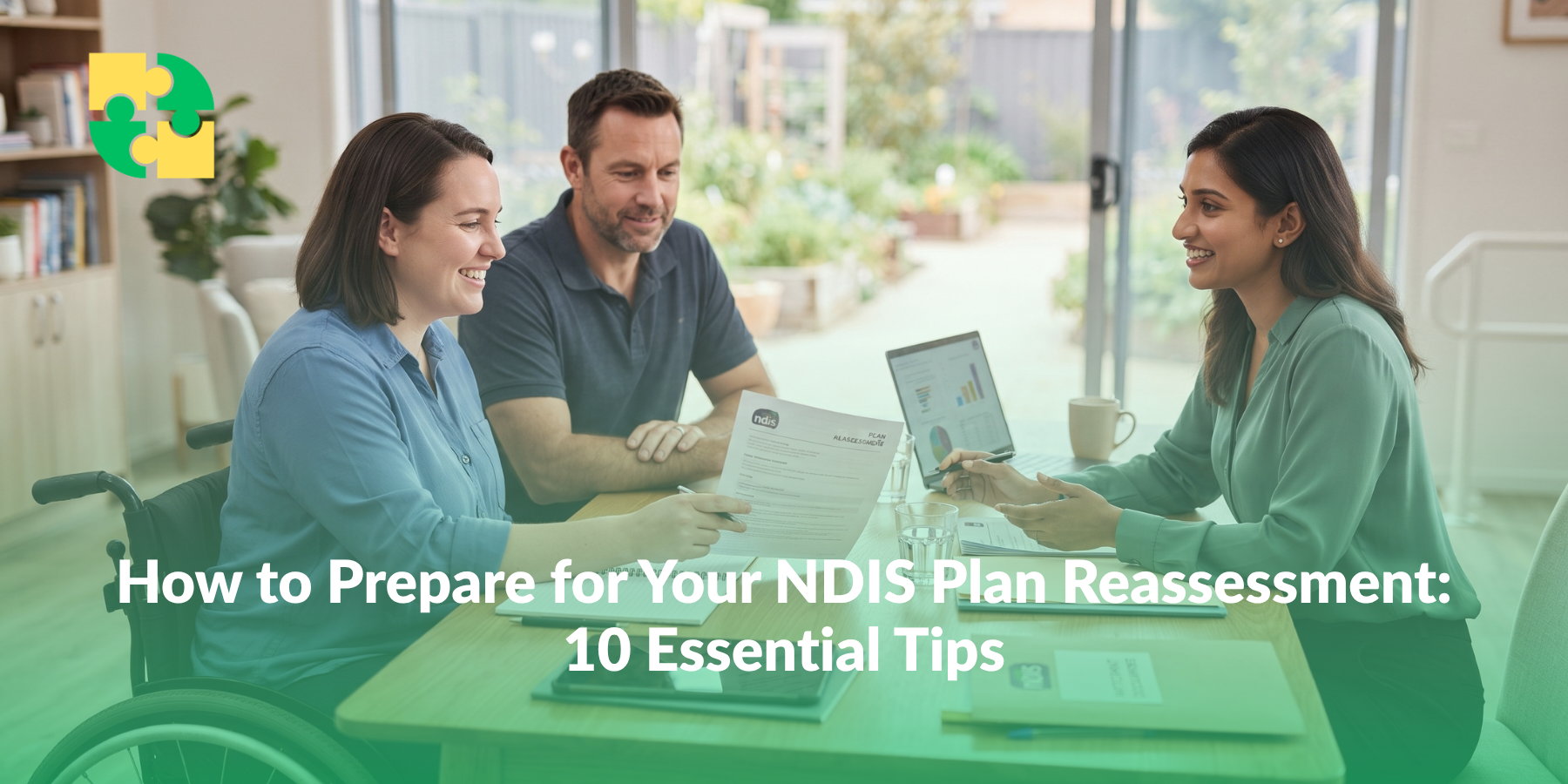
It is useful to review your funding several months before the plan’s reassessment date. This gives you time to identify service gaps, arrange appointments and gather evidence about any supports you have been unable to access.
The NDIA generally contacts participants about a check-in around two to three months before their reassessment date.
What Happens if the NDIA Continues Your Plan?
Not every planning process results in a completely new plan. In some circumstances, the NDIA may continue your existing plan rather than reassess it and issue a new one.
According to current NDIS guidance, a continued plan can remain in place for up to 12 months. Eligible unspent funding from the previous plan can remain available under this arrangement, and the funding amounts in the Core and Capacity Building budgets are indexed.
This is different from receiving a new plan with a fresh funding allocation.
Read your plan notification carefully. If you are uncertain whether your plan has been continued, varied or replaced, ask your NDIS contact to explain what the decision means for your remaining funding.
What Happens to Different NDIS Support Budgets?
Your NDIS plan may contain different support budgets, depending on your individual needs. Each budget has rules about which supports it can fund and how its money can be used.
Core Supports
Core Supports may cover eligible assistance with daily activities, consumables, transport or community participation.
Some Core funding may be flexible across eligible support categories, depending on how the plan is structured and managed. Other funding may have more specific restrictions.
Do not assume that money left in one Core category can always be spent on any other support.
Capacity Building Supports
Capacity Building funding may pay for eligible services intended to help you develop skills, improve independence or work towards your goals.
Funding availability and flexibility depend on the relevant component, category and plan arrangements. Check the rules that apply to your particular budget before making a booking or committing to ongoing sessions.
Capital Supports
Capital funding may cover approved assistive technology, equipment or home modifications.
These purchases can involve assessments, quotes, supplier availability and delivery times. If you are planning a major purchase, start early enough to confirm the requirements and whether the item can be funded under your plan.
Do not assume that unused Capital funding will transfer into a new plan. If the item is still needed, discuss the appropriate evidence and funding request with the NDIA.
Will Underspending Affect Your Next NDIS Plan?
Having money left over does not automatically mean your next plan will have less funding.
During a reassessment, the NDIA may consider your current circumstances, disability-related support needs, goals and how your existing supports have worked. Your use of previous funding can form part of that discussion.
If you have not been able to use some of your budget, explain the circumstances clearly. For example:
- A suitable therapist was unavailable.
- A provider cancelled services or had a waiting list.
- Your health or personal circumstances affected access to support.
- Equipment or home modifications took longer than expected.
- The support available under your plan did not adequately meet your needs.
Keep relevant records, such as appointment correspondence, provider emails, quotes and service agreements. These documents may help explain why funding remained unused.
If your needs have changed significantly and the change is ongoing, you can contact the NDIA to discuss whether a plan reassessment or variation is appropriate.
Important NDIS Changes in October 2026
NDIS arrangements are changing, so participants should check official information before making decisions about their budgets.
As of October 2026, the NDIA has announced progressive budget reductions affecting two support categories: Social, Economic and Community Participation, and Improved Daily Living Skills.
According to the NDIA, these changes apply to new and reassessed plans from 1 October 2026 and renewed plans from 1 February 2027. The impact varies according to individual circumstances, and some types of support are excluded from the reductions.
This is separate from the general rules about unused funding. Do not assume that every existing participant’s budget changes immediately or that every support within the affected categories is treated identically.
For the latest information, consult the official announcement:
Practical Ways to Manage Your NDIS Funding
You do not need to spend your entire budget simply because your plan is approaching its end date. Instead, focus on getting the support you need in accordance with your plan.
1. Review your budget regularly
Check your available balance and upcoming commitments so you can identify potential service gaps early.
2. Arrange services in advance
Therapy appointments, assessments, equipment quotes and home modifications can take time to organise.
3. Speak with your providers
Ask about waiting lists, appointment availability, service agreements and any likely delays.
4. Confirm the funding rules before spending
Make sure the proposed support is permitted under your plan and that sufficient funding is available in the relevant component and funding period.
5. Keep supporting records
Save invoices, quotes, correspondence and information about services you could not access.
6. Discuss changing needs with the NDIA
If your circumstances have changed significantly and the change is ongoing, ask about the appropriate plan-change process.
Avoid purchasing unnecessary items just to use up your remaining funds. NDIS funding must be used in accordance with the applicable funding rules.
What if You Run Out of NDIS Funding Before Your Plan Ends?
If your available funding is running low, review your remaining budget and the support you still need.
Start by checking whether upcoming services are correctly budgeted and whether any costs or commitments have changed. Your plan manager or support coordinator may be able to help you understand your current funding position.
If your support needs have changed significantly and the change is ongoing, contact the NDIA to discuss a possible plan reassessment or variation. Explain what has changed and provide relevant supporting evidence.
Do not assume that additional funding will be approved. Until a change is confirmed, check what funding is available and discuss your options with your providers.
Conclusion
Managing unused NDIS funding starts with understanding your plan’s dates, funding periods and support categories. Unspent money generally does not transfer into a brand-new plan, but eligible funds may roll forward within the same plan or remain available when the NDIA formally continues that plan.
Review your budget regularly, arrange necessary services early and keep records of any difficulties accessing support. If your circumstances or support needs change, contact the NDIA to discuss your options.
Disclaimer: This article provides general information and is not legal or financial advice. NDIS rules and individual plan arrangements can differ and may change. Check the official NDIS website or speak with the NDIA, your support coordinator or your plan manager about your specific situation.
Frequently Asked Questions
1. Do unused NDIS funds carry over to the next plan?
Generally, no. Unused funding does not transfer to a brand-new NDIS plan. An exception may apply when the NDIA continues your existing plan, in which case eligible unspent funding can remain available.
2. Can unused NDIS funding roll over between quarterly funding periods?
Yes, eligible unused funding can roll over to the next funding period within the same plan. However, funding periods and component rules still apply, and you cannot automatically access all future funding early.
3. Will unused NDIS funding reduce my next budget?
Not automatically. The NDIA considers your circumstances and support needs when reviewing a plan. If funding was unused because services were unavailable or other difficulties arose, explaining those circumstances may help provide context for the reassessment.
4. What happens if my NDIS plan is continued instead of replaced?
A continued plan can remain in place for up to 12 months. Under current NDIA guidance, eligible unspent funding from the previous plan remains available in the continued plan. Check your official notification to confirm which arrangement applies to you.
5. Can I spend my remaining NDIS funding on anything before my plan ends?
No. Having money available does not make every purchase eligible. The support must comply with NDIS funding rules, the applicable budget restrictions and the requirements of your plan. Check eligibility before making a purchase or committing to a service.