

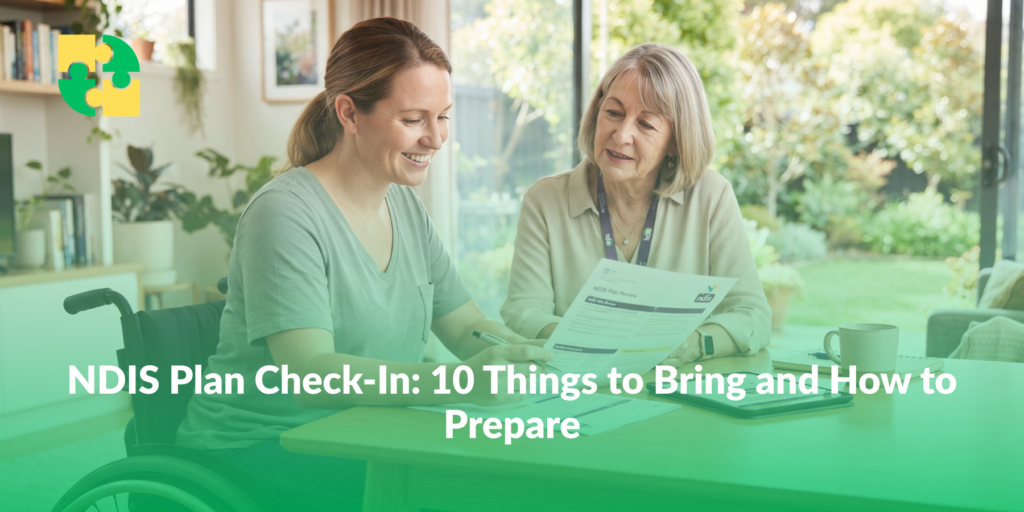
The short answer: Bring your current NDIS plan, your budget or spending information, recent provider reports, a note of your goals and progress, details of any changes in your life, your questions, and a support person if you’d like one. Having these ready can help you explain what is working, what isn’t, and what support you may need next.
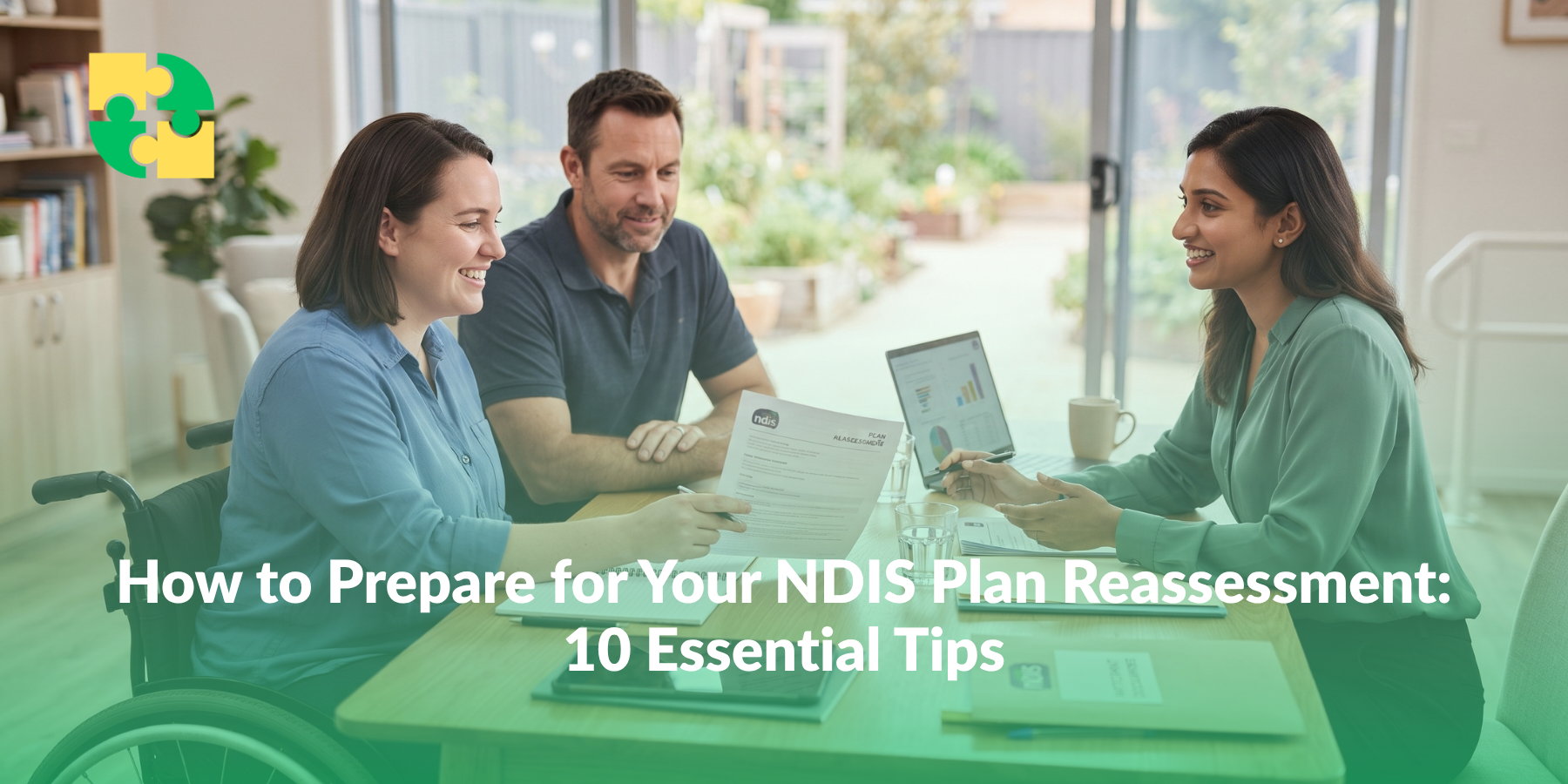
A check-in doesn’t need to feel like a test. It’s a chance to talk about how your plan is working, whether your supports still meet your disability support needs, and whether anything has changed in your life. A little preparation can help you feel more confident and make sure nothing important is forgotten.
1. Your current NDIS plan
Bring a copy, printed or saved on your phone, so you and your NDIS contact are looking at the same information. Read through it beforehand and note anything you don’t understand or that no longer fits your situation.
2. Your budget and spending information
If you can access it, have it ready to discuss. If you haven’t used all your funding, think about why: maybe you couldn’t find a suitable provider, faced long waitlists, or a support didn’t suit you. If you’ve used more than expected, be ready to explain what changed.
The numbers are useful, but the context behind them matters too. NDIS guidance says funding use may be discussed as part of understanding how your current supports are working.
3. Recent reports from your providers
Reports or recommendations from your occupational therapist, physiotherapist, speech pathologist, psychologist, or support coordinator can help explain your needs and progress.
If a report is out of date, ask the provider whether a short updated summary is possible. Depending on what you are asking for, the NDIS may need assessments, reports or other evidence to consider changes to your plan.
4. Your goals and how they’re going
Write down each goal with a short note beneath it:
- Achieved: I can now catch the bus independently twice a week.
- In progress: I’m learning to prepare simple meals with less help.
- Stuck: I haven’t been able to work on this because I haven’t found a suitable provider.
If a goal no longer reflects what you want, say so. Your goals and progress are part of what my NDIS contact may discuss with you during the check-in.
5. Examples of daily life
Reports don’t always show what a normal week looks like. Jot down a few real moments: a task that took much longer than expected, a day you needed extra help, or something you managed for the first time.
Three or four honest examples are plenty.
6. Changes in your circumstances
Think about what has changed since your plan started, such as your disability-related needs or circumstances, where you live, family or informal support, work or study, or the providers you use.
Even a small change is worth mentioning if it affects your support. The NDIS specifically asks participants to consider changes in their situation and any changes coming up in their life.
7. Quotes and recommendations
If you’d like to discuss equipment, home modifications, or a new therapy, bring any quotes, assessments, or professional recommendations you already have.
These documents can help explain your needs and the likely cost. They don’t guarantee approval, so focus on the evidence and how the support relates to your situation. The NDIS says evidence may include letters, assessments, quotes or other reports, depending on what you are asking for.
8. Your questions, written down
It’s easy to forget questions in the moment, so keep a note on your phone in the weeks before. You might ask:
- Can you explain this part of my plan in plain English?
- What happens to unused funding?
- What should I do if I can’t find a provider?
- What happens after this check-in, and when will I hear back?
You can always ask for something to be explained again. The NDIS also recommends writing down questions you want to ask before your check-in.
9. A support person, if you’d like one
A family member, friend, advocate, or someone who helps you with your plan can take notes, help you remember important points, and provide support.
You don’t have to bring someone if you’d rather attend on your own. The NDIS confirms that you can bring someone who knows you well or helps you with your plan.
10. Your NDIS details and contact information
Have your NDIS details handy and make sure your phone number, email, and address are up to date.
It’s a small step that can help prevent missed calls and other communication problems.
Tips for the day
- Keep it simple.
One folder, physical or digital, is enough. Sort it into your plan, budget, reports, quotes, goals, and questions.
- Be honest, not just positive.
If something is hard, explain why. If something has improved, give an example.
- Ask for a written summary.
The NDIS says it can provide a summary of what was discussed at your check-in if you want one.
- Pause if you need to.
You can ask someone to repeat something or take a moment before answering.
Conclusion
You don’t need perfect paperwork or every answer ready. A few key documents, some notes, and your questions can help you have a useful conversation.
The most important thing is to give an honest picture of how your supporters are working, how you’re progressing towards your goals, and what has changed in your life.
Your check-in may result in your current plan continuing, being varied, or a new plan being created, depending on your circumstances and support needs.
NDIS processes and requirements can change, so confirm the current information with your NDIS contact or on the official NDIS website before your check-in. This article is general information and is not official NDIS or legal advice.
Frequently Asked Questions
What should I bring to an NDIS plan check-in?
Bring your current NDIS plan, budget or spending information, recent provider reports, your goals and progress, details of any changes in your circumstances, and a list of questions. You can also bring a support person if you want.
What happens during an NDIS plan check-in?
You may discuss your goals, current support, progress, how your funding is being used, and any changes in your circumstances. Your NDIS contact can also explain the next steps.
What if my current NDIS plan no longer meets my needs?
Tell your NDIS contact what has changed and explain how it affects your daily life and support needs. Relevant reports, assessments, or other evidence may help support your request.
- What if I haven’t used all my NDIS funding?
Explain why you haven’t used it. Provider shortages, waitlists, changes in circumstances, or unsuitable supports can all provide important context. Unused funding should be discussed in relation to how your plan is working for you.
Can I bring someone to my NDIS plan check-in?
Yes. You can bring someone who knows you well or helps you with your plan, such as a family member, friend, advocate, or support coordinator.
What happens after an NDIS plan check-in?
Your NDIS contact will explain the next steps. Depending on your circumstances, your current plan may continue, be varied, or a new plan may be created. Ask for a summary so you know what was discussed and what happens next.