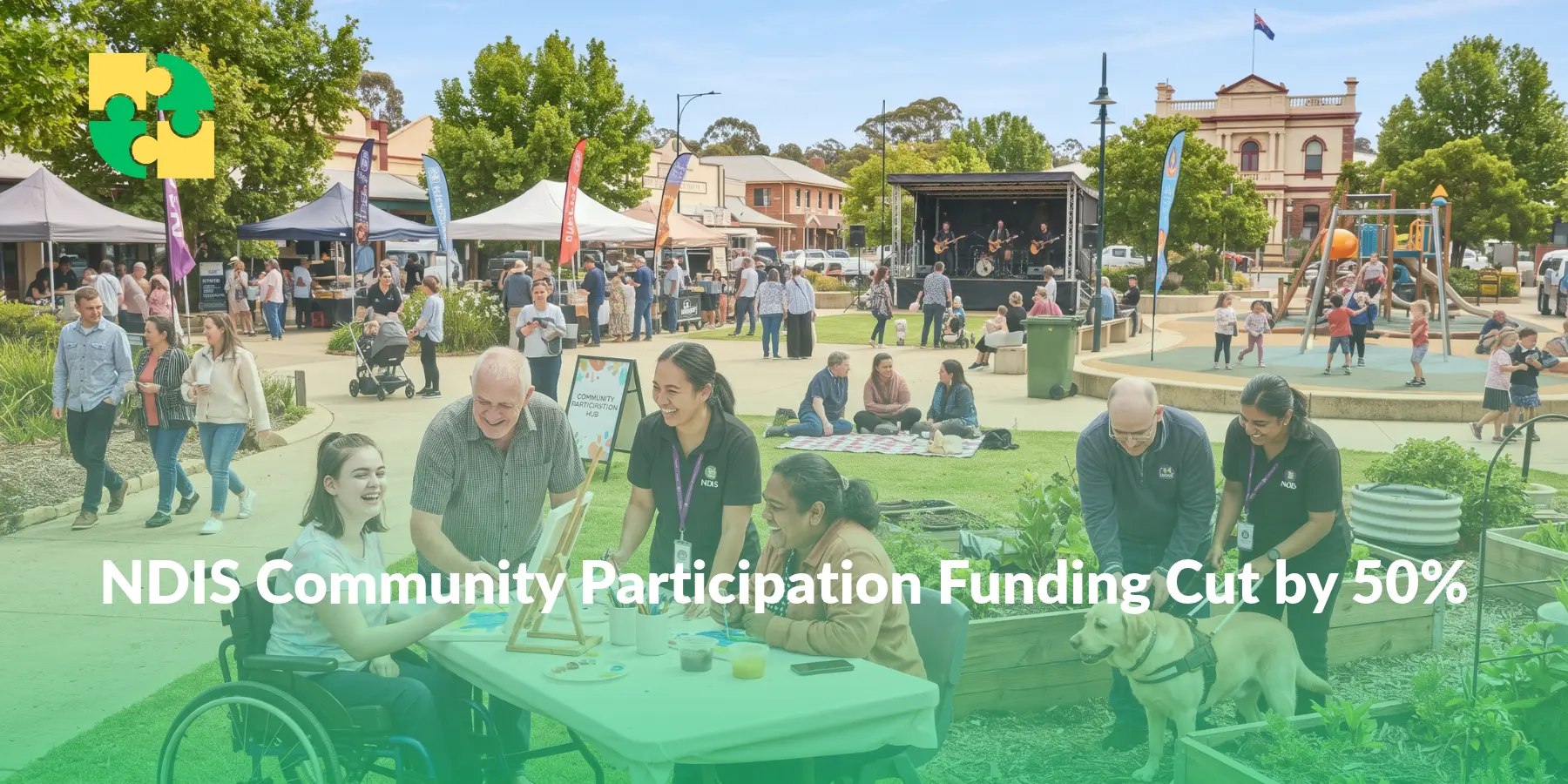


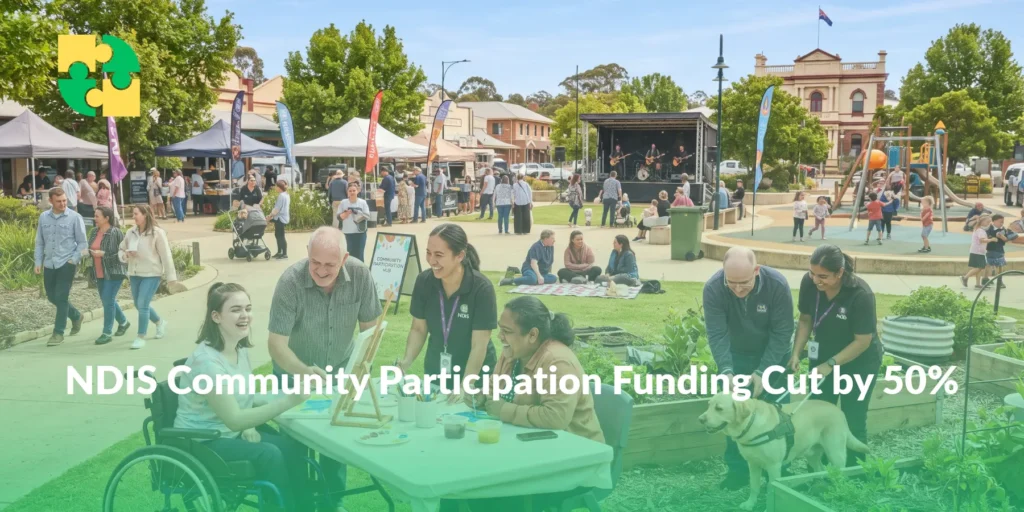
The Australian Government has announced changes to certain NDIS support budgets, including a 50% reduction in funding for social, economic and community participation and a 10% reduction for improved daily living skills.
The changes are being introduced in stages rather than affecting every participant on the same day. Under the announced arrangements, the reductions apply to relevant new and reassessed plans from 1 October 2026, with plan renewals included from 1 February 2027. The rollout is intended to continue through 30 September 2027.
These percentages apply to the relevant support categories, not automatically to your entire NDIS plan. Certain supports are excluded from this particular funding reset, and eligible participants who rely on 24-hour funded disability support may be able to request a plan variation.
If you or someone you care about uses the NDIS, this guide explains what the changes could mean, what to check and how to prepare.
Important: NDIS rules and implementation details can change. This article provides general information based on the guidance available at the time of review. Check the latest NDIA information before making decisions about your individual plan.
What Is Changing in NDIS Community Participation Funding?
The announced changes affect two categories of support:
- Social, economic and community participation:
A 50% reduction in the relevant funding allocation.
- Improved daily living skills:
A 10% reduction in the relevant funding allocation.
These changes target specific parts of an NDIS plan. They do not automatically mean that a participant’s total plan funding will fall by the same percentage.
Community participation funding can help people take part in everyday life outside their homes. Depending on their plans and individual needs, this may include attending community programs, participating in group activities, pursuing hobbies and maintaining social connections.
Improved daily living skills can help participants develop practical skills, increase independence and manage everyday activities.
For many people, these supports are an important part of staying connected to their communities. Understanding how the changes affect your particular funding allocation is therefore essential.
Why Is the Government Making These Changes?
The Government says funding in these support categories has grown significantly and that resetting the budgets will help manage the long-term cost of the NDIS.
Its stated aim is to bring spending on these supports closer to previous levels while making the scheme more sustainable.
However, disability advocates and researchers have raised concerns about the potential impact on participants.
For some people, community participation funding is much more than money for recreational activities. It can help them maintain friendships, build independence, attend community groups and participate in volunteering, education or work-related activities.
Critics argue that reducing funding without suitable alternatives could leave some participants with fewer opportunities to take part in everyday community life.
The practical impact will depend on each person’s support needs, available funding and access to suitable alternatives.
When Will the Changes Affect Your NDIS Plan?
The funding changes are being introduced in stages.
Under the announced rollout arrangements:
From 1 October 2026:
The changes begin to apply to relevant new plans and reassessed plans.
From 1 February 2027:
The changes also begin to apply to relevant plan renewals.
Through 30 September 2027:
The staged rollout is intended to be completed.
These dates describe the announced implementation arrangements. Your individual circumstances and the type of planning process involved will determine when the changes apply to your plan.
When you receive your new or reassessed plan, check the funding allocations carefully and read any explanation provided by the NDIA.
The funding reset does not apply to new framework plans under the announced arrangements.
Do not rely solely on your current plan’s end date to predict when the changes will affect you. Plan arrangements can differ, and implementation details may be updated.
Check your NDIA messages and the official NDIS website for the latest information about your plan.
How Could a 50% Reduction Affect Your Budget?
A 50% reduction in a budget does not necessarily mean that your actual spending will fall by 50%.
Consider this example.
Suppose your annual community participation budget is $50,000, but you usually spend $30,000.
If the relevant funding allocation is reduced to $25,000, you would have $25,000 available under the revised budget. Compared with your previous spending of $30,000, that would leave a $5,000 shortfall if your needs and spending remained the same.
However, if you regularly use most or all of your available funding, the reduction could have a much greater effect on the support you can access.
Unused funding does not automatically protect you from a reduction in the relevant budget. The reset applies to the funding allocation, rather than simply reducing the amount you previously spent.
If you are unsure how the change affects your plan, ask your support coordinator, plan manager or the NDIA to explain the relevant figures.
Which Supports Are Not Affected?
The funding reset targets particular support categories rather than reducing every part of an NDIS plan.
Official guidance identifies several types of support that are excluded from this particular reduction, including:
- Supports employment.
- Disability-related health supports.
- High-intensity support.
- Intensive and complex behaviour supports.
- Customised and wearable technology.
- Hearing support.
Other supports identified as outside this particular reset include home and vehicle modifications, personal mobility equipment, transport, continence and menstruation products, and Specialist Disability Accommodation.
These exclusions relate to this specific funding change. Other NDIS policy changes may affect participants separately.
It is also important to understand how a particular service is classified. A supporter’s name alone may not establish whether it is excluded.
For example, some participants use community participation funding to help them access work, education or appointments. If you rely on a service for one of these activities, ask your provider or the NDIA to confirm how that support is classified and funded.
Do not assume that every service connected with work or another essential activity is automatically protected.
What Support Is Available for People Who Need 24-Hour Care?
A specific plan variation pathway has been introduced for eligible participants with high support needs who rely on 24-hour funded disability support.
The safeguard recognises that a reduction in one funding category could create a gap in an otherwise necessary round-the-clock support arrangement.
Eligibility depends on specific requirements. These may include the participant’s existing funded supports, relevant combined plan budgets and the level of support needed to maintain their arrangements safely.
The published guidance includes a minimum combined budget threshold for relevant daily life, home and living, and community participation support. The threshold and other eligibility criteria should be checked against the latest official guidance before applying.
The pathway is not automatic for every participant who needs substantial assistance.
Eligible participants can request a plan variation under the applicable arrangements, and certain decisions made through this pathway can be reviewed.
If you or someone you support relies on 24-hour funded disability support, contact the NDIA or a qualified disability adviser if the funding changes could affect the continuity or safety of those arrangements.
Ask about eligibility, the application process and any applicable deadlines as early as possible.
Can You Appeal the Funding Reduction?
Under the published arrangements, participants cannot request a review simply to challenge the general funding reset itself.
However, this does not mean there are no options if your support needs or circumstances change.
Depending on your situation, you may be able to request a plan variation or an unscheduled reassessment if there is a significant and ongoing change in your circumstances, functional capacity or support needs.
There are also review rights for certain decisions made under the high support needs pathway.
If you believe a decision about your individual plan is incorrect, ask the NDIA to explain the decision and clarify which review rights, if any, apply.
An independent disability advocacy organisation may also help you understand your options.
Remember that challenging the general policy and requesting a change to your individual plan are different processes.
What Is the Inclusive Communities Fund?
Alongside the NDIS changes, the Government has announced a $200 million Inclusive Communities Fund intended to help develop more inclusive community-based opportunities.
The aim is to improve access to community activities and participation opportunities for people with disabilities.
However, a general community program is not automatically a replacement for individualised disability support.
Some participants need one-to-one assistance, accessible transport or specialised support to take part in activities safely. Others may need support that is not available through ordinary community programs.
Disability advocates have raised questions about whether new community options will be available when participants need them and whether they will provide meaningful alternatives to individual supports.
The fund’s practical impact will depend on its implementation, accessibility, eligibility arrangements and the services available in different communities.
An announcement of funding does not necessarily mean that services are already available in your area.
Check official announcements for the latest information about the fund, including when programs open and who can access them. Do not assume that new community programs will replace any funding reduction in your individual plan.
What Are Disability Advocates Worried About?
The debate around these changes extends beyond budget figures. It also raises questions about inclusion, independence, safety and access to everyday activities.
Social isolation
Some participants rely on paid support to attend activities, maintain friendships and stay connected with their communities.
If fewer funded hours are available, some people may find it harder to participate in the activities that matter to them.
Safety and wellbeing
For some people with disabilities, support workers provide important practical assistance and regular social contact.
Women’s disability organisations have raised concerns that reduced access to support could leave some people more isolated or vulnerable, particularly when they have limited alternative support networks.
Employment and essential activities
Although supports in employment are excluded from this particular funding reset, some participants use community participation funding to help them access work or other essential activities.
Advocates have questioned how the changes will affect people whose daily routines depend on several different types of support.
Participants should confirm which funding category applies to each service rather than assuming that an activity’s purpose determines its funding classification.
Participants with higher support needs
People who rely on extensive daily assistance may have less flexibility to absorb funding reductions.
The high support needs pathway is intended to address certain risks for eligible participants who rely on 24-hour funded disability support. However, the specific eligibility requirements mean it will not necessarily be available to everyone affected.
These concerns highlight the importance of clear guidance, appropriate safeguards and accessible alternatives.
How to Prepare for the NDIS Funding Changes
Although you may not be able to control the policy changes, there are practical steps you can take to understand your situation and prepare.
1. Check your plan and upcoming dates
Review your current plan and any messages from the NDIA.
Ask when the new arrangements are likely to apply to your plan. Do not rely only on your plan end date, as the timing may depend on the planning process involved.
2. Understand how you use your funding
Look at your relevant funding categories and identify which supports you currently use.
If you are unsure which budget pays for a service, ask your plan manager or provider to explain.
3. Identify your most important support needs
Consider which supports make the biggest difference to your everyday life.
These might include attending a regular community group, maintaining social connections, developing independent living skills or accessing employment-related activities.
Discuss your priorities with your support team so you can understand what options may be available if your funding changes.
4. Speak to your providers early
Ask your providers how they expect the changes to affect the services you receive.
Depending on your needs, you might discuss group activities, shared supports or alternative schedules. These options will not suit everyone, so any changes should reflect your individual support requirements.
5. Keep relevant records up to date
If your support needs have changed significantly, keep relevant records that explain those changes.
Depending on your circumstances, this may include reports from occupational therapists, health professionals or other people involved in your support.
Such documentation may help explain your needs when discussing an appropriate plan change or exploring an applicable safeguard.
6. Seek advice if you need 24-hour support
If you rely on 24-hour funded disability support, find out whether the high support needs variation pathway applies to you.
Confirm the current eligibility criteria and application deadlines with the NDIA or a qualified adviser.
7. Explore community options carefully
Local councils, libraries, sporting clubs and community organisations may offer accessible activities or programs.
These can be useful options for some people, depending on accessibility, location, transport and individual support needs.
However, general community activities and unpaid help are not substitutes for essential disability support where that support is required.
8. Understand the separate changes to funding rollovers
Changes to plan rollover arrangements are separate from the reductions to community participation and improved daily living skills budgets.
The treatment of unspent funding depends on the applicable plan arrangements and current rules. Before making spending decisions, check the latest NDIA guidance and ask your plan manager how the rollover rules apply to your plan.
Do not spend money simply because you are worried about losing it. Make decisions based on your actual support needs and the rules that apply to your funding.
9. Get reliable advice.
If you are unsure how the changes affect your plan, contact the NDIA, your support coordinator, your plan manager or a disability advocacy organisation.
Ask specific questions about your budget, how your supports are classified, when the changes may apply and whether any plan variation or review options are available.
Getting clear information early can help you make more informed decisions.
Conclusion
The NDIS community participation funding changes could make a meaningful difference to people who rely on these supports to stay connected, build independence and participate in everyday life.
The announced reductions are 50% for relevant social, economic and community participation funding and 10% for relevant improved daily living skills funding. However, the impact will vary depending on each participant’s plan, support needs and available funding.
Certain supports are excluded from this particular reset, and eligible participants who rely on 24-hour funded disability support may have access to a plan variation pathway.
The most useful step you can take now is to understand your own plan, confirm when the changes may apply and seek advice if you are concerned about maintaining the support you need.
NDIS policy and implementation guidance can change. Before making decisions about your support, check the latest official information and confirm how the rules apply to your individual circumstances.
Note: This article provides general information only and is not legal, financial or individual NDIS planning advice.
Frequently Asked Questions
- Will every NDIS participant lose 50% of their funding?
No. The 50% reduction applies to the relevant social, economic and community participation funding allocation. The separate reduction for improved daily living skills is 10%. These percentages do not automatically apply to a participant’s entire NDIS plan.
- Will my current plan change immediately?
Not necessarily. The changes are being introduced in stages as relevant plans are created, reassessed or renewed. Check the latest NDIA guidance to understand when the arrangements apply to your plan.
- Are employment supports included in the reduction?
Supports in employment are excluded from this particular funding reset. If a service helps you access or maintain employment, confirm its funding classification with your provider or the NDIA.
- Can I ask for more funding if my needs change?
Depending on your circumstances, you may be able to request a plan variation or an unscheduled reassessment if there is a significant and ongoing change in your support needs. The applicable eligibility requirements and decision timeframes should be confirmed with the NDIA.
- What if I need support around the clock?
Eligible participants with high support needs who rely on 24-hour funded disability support may be able to request a plan variation after the relevant reduction takes effect. Eligibility is specific, so check the current criteria and deadlines.
- Will the Inclusive Communities Fund replace my lost funding?
Not automatically. The fund is intended to support community-based opportunities, but its programs may not provide the individualised assistance every participant needs. Check the latest official announcements for details about available services and eligibility.
- Where can I find the latest information?
Start with the official NDIS website and the Australian Government Department of Health, Disability and Ageing. These sources provide information about the funding changes, exclusions, implementation arrangements and safeguards.